Overview of Community Ownership
Community ownership of land and buildings can transform neighbourhoods, support thriving community businesses, and unlock the power of community.
Community Asset Transfer (CAT)
A Community Asset Transfer is when a public body, usually a council, transfers a building or piece of land to a community organisation. This can include:
- Community centres
- Libraries
- Sports facilities
- Local halls
- Cultural spaces
- Unused public buildings
Transfers can happen through:
- Management agreements
- Long-term leases
- Freehold ownership (in some cases)
Importantly, Community Asset Transfer is usually:
Cheshire East Council's Policy
The Council's own policy states that Community Asset Transfer exists to:
- Strengthen communities
- Support voluntary organisations
- Involve residents in shaping local services
- Allow local people to have greater control over buildings and spaces that matter to them
Thousands of spaces across the country are already owned by community organisations — from sports centres, shops and cinemas, to nurseries, health centres and wind turbines.
Registering an Asset of Community Value (ACV)
An Asset of Community Value forms part of the Community Right to Bid process. It allows communities to formally recognise buildings or spaces that are important because they support social wellbeing, community connection, culture, recreation or local activities.
An ACV is a building or piece of land whose main use:
- Furthers the social wellbeing or social interests of the local community
- Could realistically continue to do so in the future
Key Point
The ACV status sits with the property or land itself — not the owner. If a property is sold while listed as an ACV, the new owner inherits the status and the listing remains active until expiry (normally 5 years).
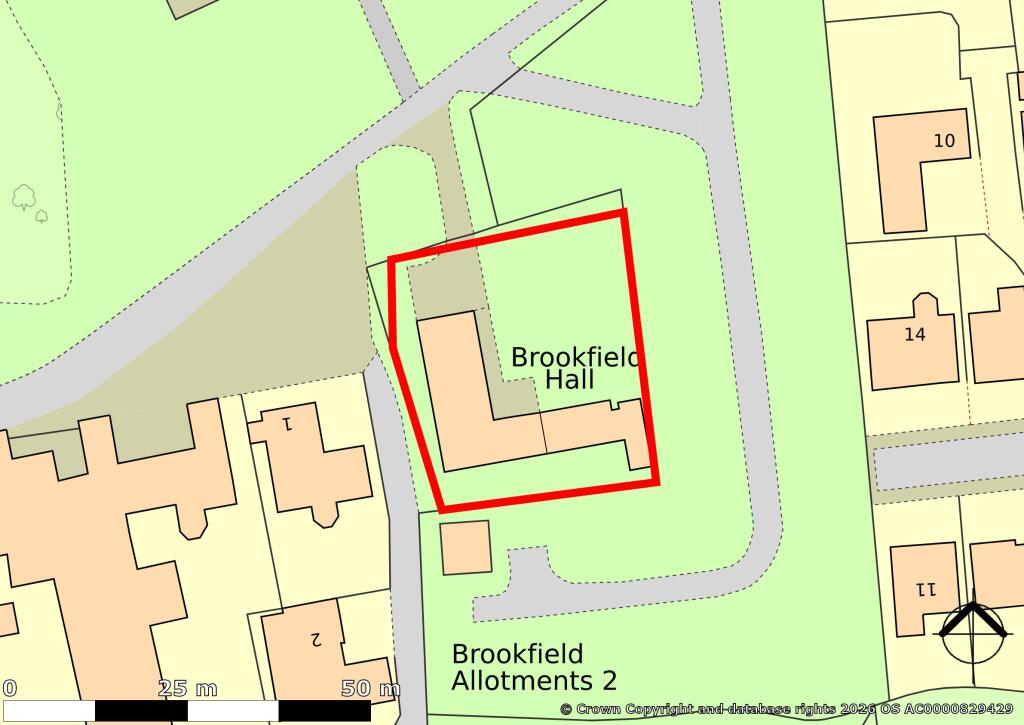
What this could mean for Brookfield Hall
An ACV application could be submitted while the building remains in council ownership, or be in progress and be approved after the sale.
If a property is successfully listed as an ACV and the new owner decides to sell, the community can trigger a temporary pause in the sale process (known as a moratorium period).
An ACV does not stop redevelopment or automatically prevent change of use. However, it can strengthen the recognition of the building's community value and may increase scrutiny within future planning discussions.
The Community Right to Buy
The government has now introduced a Community Right to Buy as part of its English Devolution and Community Empowerment Act. The new power gives communities the right of first refusal once important local buildings and spaces come up for sale, if they have already been registered as an Asset of Community Value. It also:
Key Powers
- Allow a community organisation or group to purchase any Asset of Community Value without competition when it comes up for sale, if they can raise the required funds.
- Stop the asset from being sold to anyone else for 12 months (rather than six months), to give local communities the time to raise the necessary funds. For this period, property and landowners would have to maintain (or improve) the asset's condition.
- Widen the range of assets that can be registered as Assets of Community Value to include those which have had an impact at any point on economic wellbeing as well as social wellbeing, and to include sporting assets. This allows many more buildings and spaces to be registered, including long-term vacant or derelict assets.
- Allow communities to appeal if they were unsuccessful in registering their asset as an Asset of Community Value.
Get Involved
Sign up your support
Show your support for keeping Brookfield Hall in community use. Every voice strengthens the case.
Sign up your support